TRAVEL GUIDE · CHINA
Delayed or missing baggage in China: a practical airport guide
Report it before leaving the reclaim hall, give a usable delivery address and keep the documents that make follow-up possible.
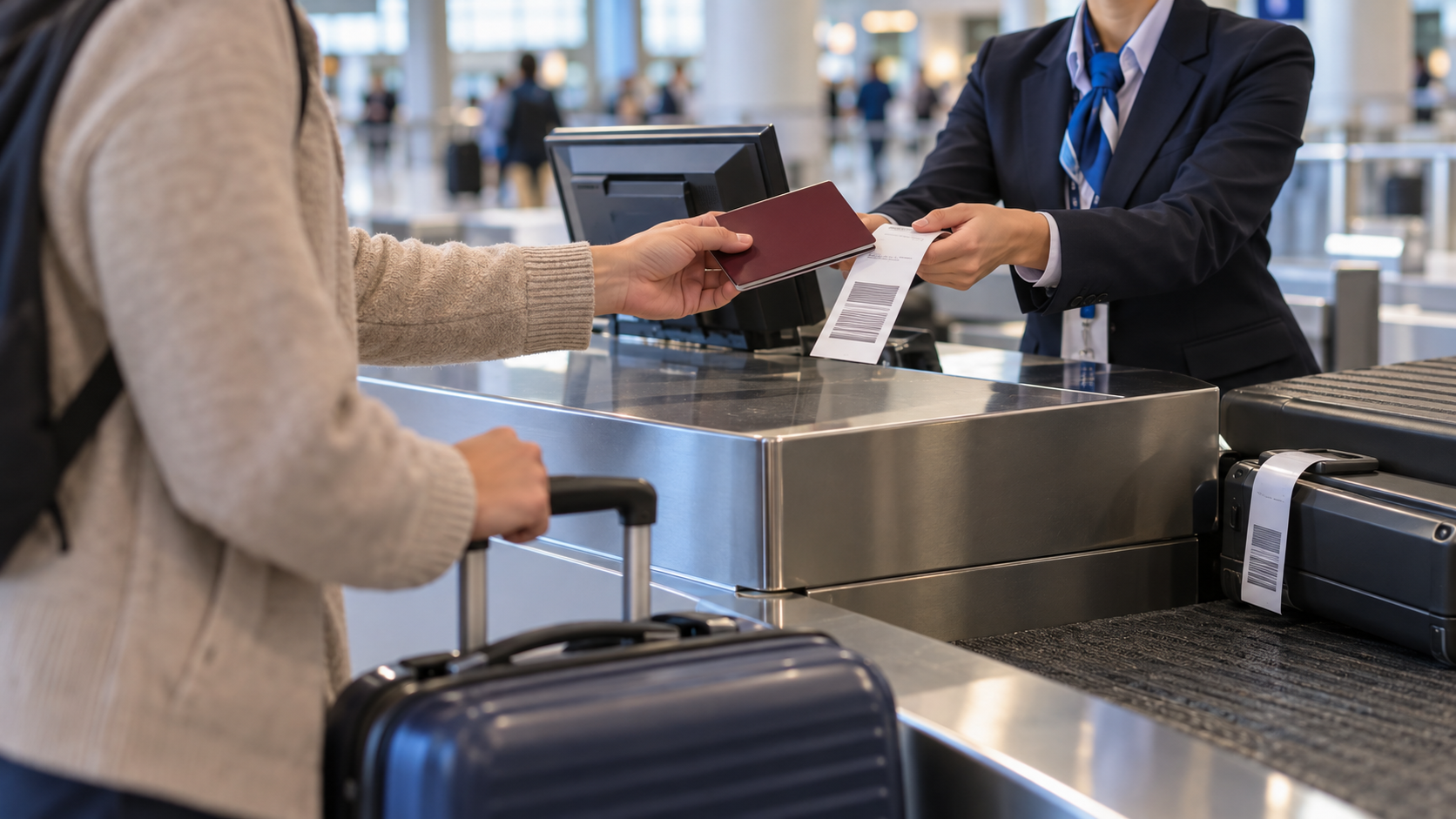
A checked bag that does not appear on the belt is frustrating, especially after an international flight. The useful response is procedural: stay in the baggage-reclaim area, speak to the airline or its ground-handling desk, obtain a written report reference, and provide contact details that will still work after you leave the airport. This guide helps travelers organize those first steps in China without promising a result that only the airline can confirm.
01
Start at the belt, then stay in the reclaim area
Confirm that you are at the correct carousel, allow time for the belt to finish and check a nearby oversize-baggage collection point. A bag can arrive separately because of its size, handling requirements or a late transfer.
If it is still absent, do not simply leave and plan to email later. IATA says a missing-bag report should be filed in the baggage-reclaim area before leaving the airport. Look for the airline’s baggage-services desk, its ground-handling partner, or airport staff who can direct you. The operating or last carrier on your itinerary is the sensible first stop.
02
Bring the documents that identify the bag
Have your passport, boarding pass, checked-baggage tag receipt and booking details ready. If the bag was checked through from another flight, show the full itinerary. A clear suitcase photo also helps: note colour, size, hard or soft shell, straps, cover or stickers. A tracker can support your description but does not replace the airline’s report.
Tell the agent if the bag contains a mobility-aid component, medical equipment or another time-sensitive necessity. Keep money, passports, prescription medicine and valuables in hand luggage whenever possible; airline conditions and liability limits can restrict what is covered in checked baggage.
03
File a report and protect the reference number
Ask for the report number, the airline or handling company recording it, and the official way to check updates. This record is often called a Property Irregularity Report (PIR), although labels vary. Before leaving, read back the spelling of your name, phone number, email and bag description. Photograph the report and save it offline.
A report is not the same as a final compensation claim. It begins tracing and delivery work; a later claim may have separate rules, documents and deadlines. China Southern’s published international guidance, for example, distinguishes the incident record from a written delayed-baggage claim. Your airline’s contract and route rules control, so use its official channel for current requirements.
04
Give an address that can accept delivery
Give the hotel name, complete Chinese address, room number if known, a reachable mobile number and your next destination if you will move soon. Ask reception how it accepts courier deliveries and whether the label name should match your booking.
If you will change hotels before the bag is likely to arrive, update the airline through the report channel; do not assume the old address will be forwarded. Keep the Chinese address on your phone. Our China address guide can help you prepare an address that is easy to show or copy.
05
Buy only reasonable essentials and keep evidence
A delayed bag may leave you needing basic clothing, toiletries or another immediate item. Purchase only what is reasonable for the delay and your situation, then keep itemized receipts, payment records and the baggage report. Policies differ on what is reimbursable, how much, and when a claim must be submitted.
If you have travel insurance, contact its assistance or claims channel early and ask which documents it needs. Insurance may supplement, exclude or coordinate with airline coverage depending on the policy. Keep the report, itinerary, tag receipt, correspondence and receipts in one folder.
06
Track updates without losing your travel day
Use only the official tracking link, phone number or email supplied in the report. Record the date, time and name of anyone you speak with. If the airline says the bag has been found, reconfirm the delivery address and whether you must be present to receive it.
Keep enough essentials with you to continue the next day’s plan. On a multi-city trip, delivery to the next confirmed hotel may be better than returning to the airport, but make that change only after the airline confirms it can use the new address.
07
A calm arrival-day checklist
Before flying: photograph your suitcase and tag, keep essentials in carry-on, and save your hotel address in Chinese. At arrival: confirm the carousel, check oversize collection, then report a missing bag before leaving reclaim. At the desk: verify every contact detail and save the report reference. Afterward: keep reasonable-expense receipts, update the delivery address if you move, and follow the airline’s official channel.
This is general travel-preparation information, not legal, insurance or compensation advice. It was reviewed on October 4, 2026 using IATA and airline guidance. Handling, delivery options, liability and deadlines vary by carrier, ticket and itinerary; confirm the rules for your own flight.
The single most useful action is simple: obtain a report reference before you leave the baggage-reclaim area.
SRC
Official and industry sources
NEXT