TRAVEL GUIDE · CHINA

Ordering food in China: a guide for foreign visitors

Prepare your address, payment and dietary information before a QR menu or delivery app becomes necessary.
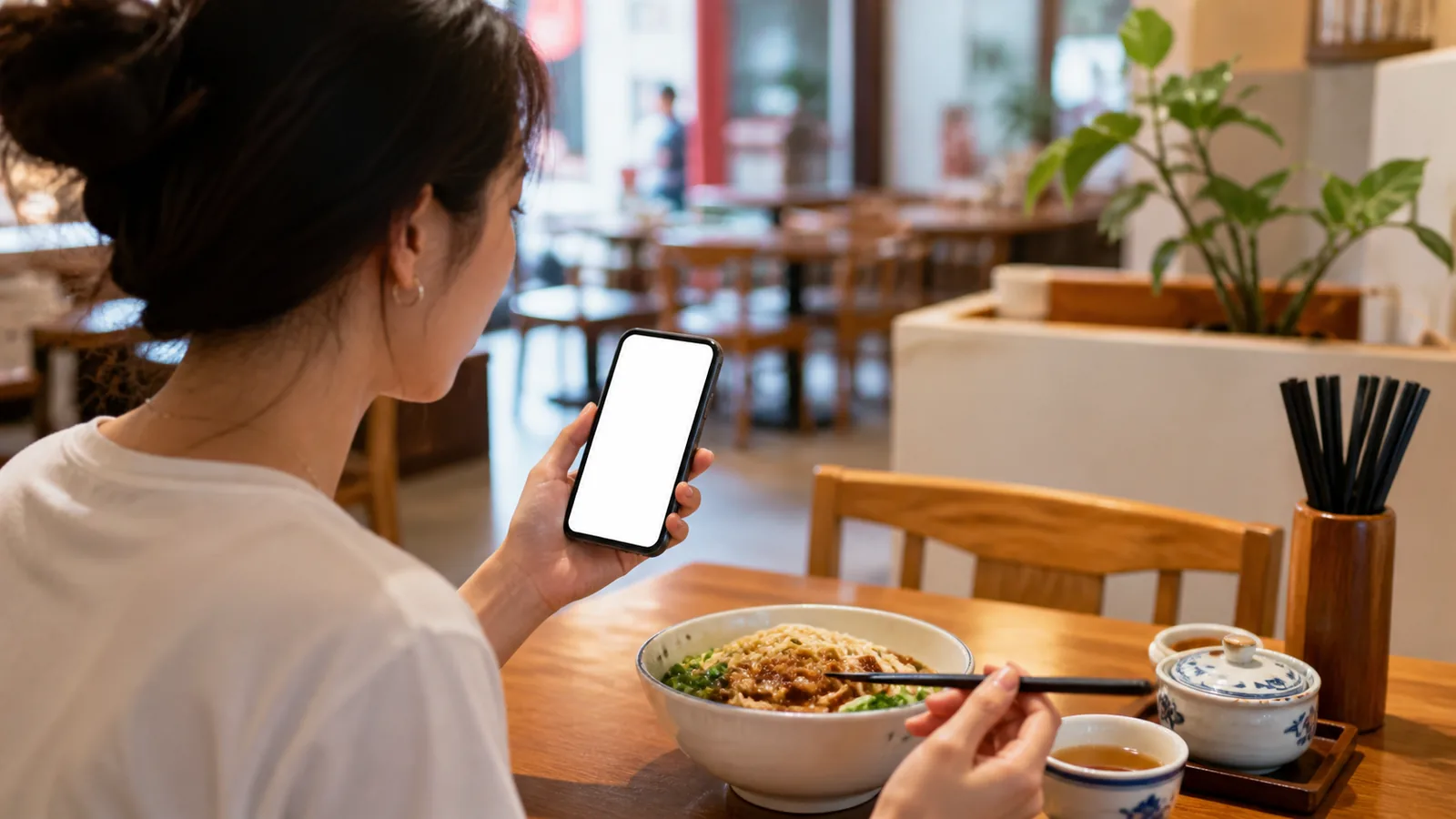
Traveler ordering food at a Chinese restaurant
Image source: AI-generated image created for Seeing China. No real app interfaces, personal data or brands are shown.

In China, restaurant menus, QR ordering, mobile payment and delivery can connect in one meal. The useful preparation is simple: have data, payment, your address and dietary information ready before you are hungry.

01

Prepare for QR menus without relying on them

Some restaurants provide paper menus; others use a QR code for browsing or ordering. A translation app can help with the broad meaning, but save a short, clear Chinese sentence for allergies, religious requirements or strict dietary limits. Confirm price, spice level and what is included before submitting an order.

02

For delivery, confirm address and collection first

Delivery may need an accurate Chinese hotel or building address, collection point and reachable phone number. Ask the hotel whether guests collect deliveries in the lobby or another designated place. Keep a nearby restaurant as a backup when timing matters.

03

Check payment before meal time

Set up mobile payment and confirm that the connected card works before you need it. Keep a physical card and small cash backup. Do not make an urgent order the first moment you attempt account verification or payment.

04

Keep allergy information clear

For an allergy or strict diet, do not rely only on automatic translation. Show a short Chinese statement explaining the ingredient to avoid. For serious allergies, plan ahead and seek appropriate medical advice before travel.

The best food-ordering setup is not the most apps. It is being able to show your address, payment and dietary information the moment you need them.

General travel information, not food or medical advice.

IN-DEPTH PRACTICAL NOTES

Order food by confirming ingredients, portion and payment

A translated menu helps, but a safe and satisfying order also needs portion size, preparation, allergens and the final price to be understood before the kitchen starts.

Read the menu in context

Photographs do not always show serving size or optional additions. Confirm whether the price is per person, dish, weight or set, and whether rice, tea or service items are separate. In a QR menu, review the cart and table number before payment so an order is not sent to another table.

Communicate dietary needs clearly

For an allergy, name the ingredient and state that even a small amount is not acceptable. Cross-contact can still occur in a shared kitchen, so ask directly and choose a simple alternative when staff cannot confirm. Preferences such as less spice or no coriander are different from medical restrictions and should be described separately.

Check the bill before leaving

Compare the bill with the dishes received, including weight-priced seafood, drinks and disposable tableware. Ask about an unfamiliar line calmly before paying. Keep a payment record for a delivery or app order and confirm the address, building and telephone details before submitting it.

Create a fallback meal plan

Save one simple dish and one nearby restaurant that can be ordered without a complex menu. If a QR menu requires an unavailable phone number, ask whether staff can take the order directly rather than borrowing a stranger’s account. At busy restaurants, confirm the queue number and whether it will be called on a screen or by voice. For delivery, remain reachable and add the hotel’s Chinese name, building entrance and room-delivery policy; reception may need to receive the order.

Useful phrases

我对花生严重过敏。I have a severe peanut allergy.
这个价格是一份还是一个人?Is this price per dish or per person?
请不要放辣椒。Please do not add chilli.

Before departure

Official references