TRAVEL GUIDE · CHINA
How to pay in China as a foreign visitor
A practical, low-stress setup for Alipay, WeChat Pay, international cards, cash and the payment backups that matter when you are travelling.
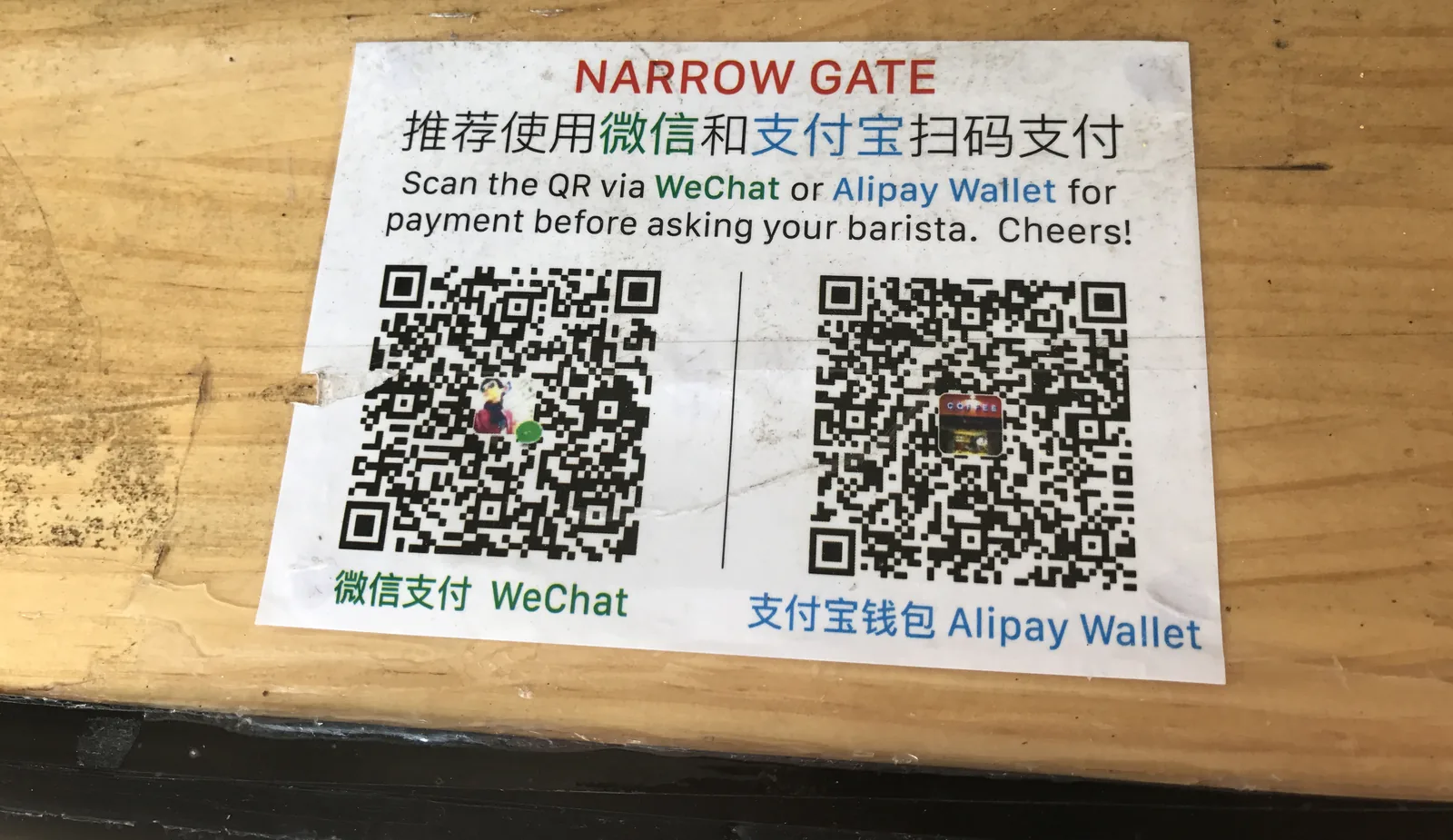
QR codes are part of everyday payment in China. For a visitor, the goal is not to depend on a single app; it is to arrive with a working mobile option, an international card and a small cash fallback.
01
Know the two QR-payment flows
At a counter, you will usually either scan the merchant’s collection code in your payment app, or open your own payment code for the cashier to scan. The China government’s visitor guidance says foreign visitors can install Alipay, WeChat or UnionPay apps, register with an overseas or Chinese mobile number, and link an eligible bank card. Before confirming any payment, check the merchant name and amount on screen.
02
Set up an app before you need it
Install the app while you still have dependable internet, then try adding your card before departure. The official guidance lists networks including Visa, Mastercard, American Express, JCB, Diners Club, Discover and UnionPay, but card acceptance and verification still depend on the app and your issuing bank. You may be asked to complete identity checks or confirm a transaction with your bank. A successful setup is more useful than a downloaded-but-untested app.
03
Bring a payment mix, not a single point of failure
Keep at least one physical international card available and carry a modest amount of cash for a genuine fallback. A mobile wallet can fail because a card issuer blocks an online transaction, a verification message does not arrive, the phone battery is flat, or mobile data is unavailable. Cash remains legal tender, and official visitor guidance also describes cash exchange and ATM access. The exact mix that works best will vary by your itinerary and card issuer.
04
Make the first purchase small
After arrival, make a small purchase at a normal shop or café rather than waiting for a hotel deposit, a long-distance ticket or a late-night ride. Check that the app receipt and your bank notification agree. This test gives you time to deal with an issuer verification problem while another payment method is still easy to use.
05
Keep verification and security in your control
Use the phone number and identity details that you can access during the trip. Never give a cashier, driver or helpful stranger your unlock code, banking password or one-time verification code. Treat an unexpected QR code or payment request with caution, just as you would at home. Where possible, set a screen lock, keep app notifications on and retain payment receipts for larger bookings.
06
Plan for fees, limits and refunds
App rules, card support, fees and transaction limits can change, and the most current figure is the one shown by the app and your card issuer at the time of payment. For hotel, rail or flight bookings, save the confirmation and payment record. A refund can follow the seller’s process and then take additional time to appear on the linked card, so do not leave every available travel fund tied to one transaction near the end of a trip.
07
Use transport options city by city
Transport payment methods are not identical across China. A city may have its own transit QR service and registration steps; elsewhere, a card, cash or another official local channel may be simpler. Ask what payment method is accepted before boarding or ordering. The useful habit is flexibility, not forcing one wallet to work everywhere.
A simple first-24-hours checklist
- Connect to reliable data or Wi-Fi.
- Open the payment app and confirm your linked card is visible.
- Make one small, ordinary purchase.
- Check the receipt and card notification.
- Keep one card and a little cash separate from your phone.
The best payment setup is boring: test it early, keep a backup and check the latest rules in the app before relying on it.