TRAVEL GUIDE · CHINA
China railway stations and luggage storage: a visitor’s guide
Arrive with the right station name, allow time for screening and use official storage only when it fits your journey.
China’s rail network makes intercity travel practical, but large stations reward a little preparation. This guide focuses on the decisions that keep luggage and timing manageable for first-time visitors.
01
Save the exact station in Chinese
Major cities may have South, West, North or other stations, and the English city name alone is not enough. Save the departure station from your ticket, its Chinese name and a map pin. Show that screen to a driver or hotel staff member if needed.
02
Plan for the station entrance
Passengers and bags commonly pass through security screening before the waiting area. Keep your passport, phone, medicine, payment cards and important address details in a small bag that stays with you. For a relaxed departure, reach the station area well before boarding—especially during busy periods or with large luggage.
03
Use only official luggage storage
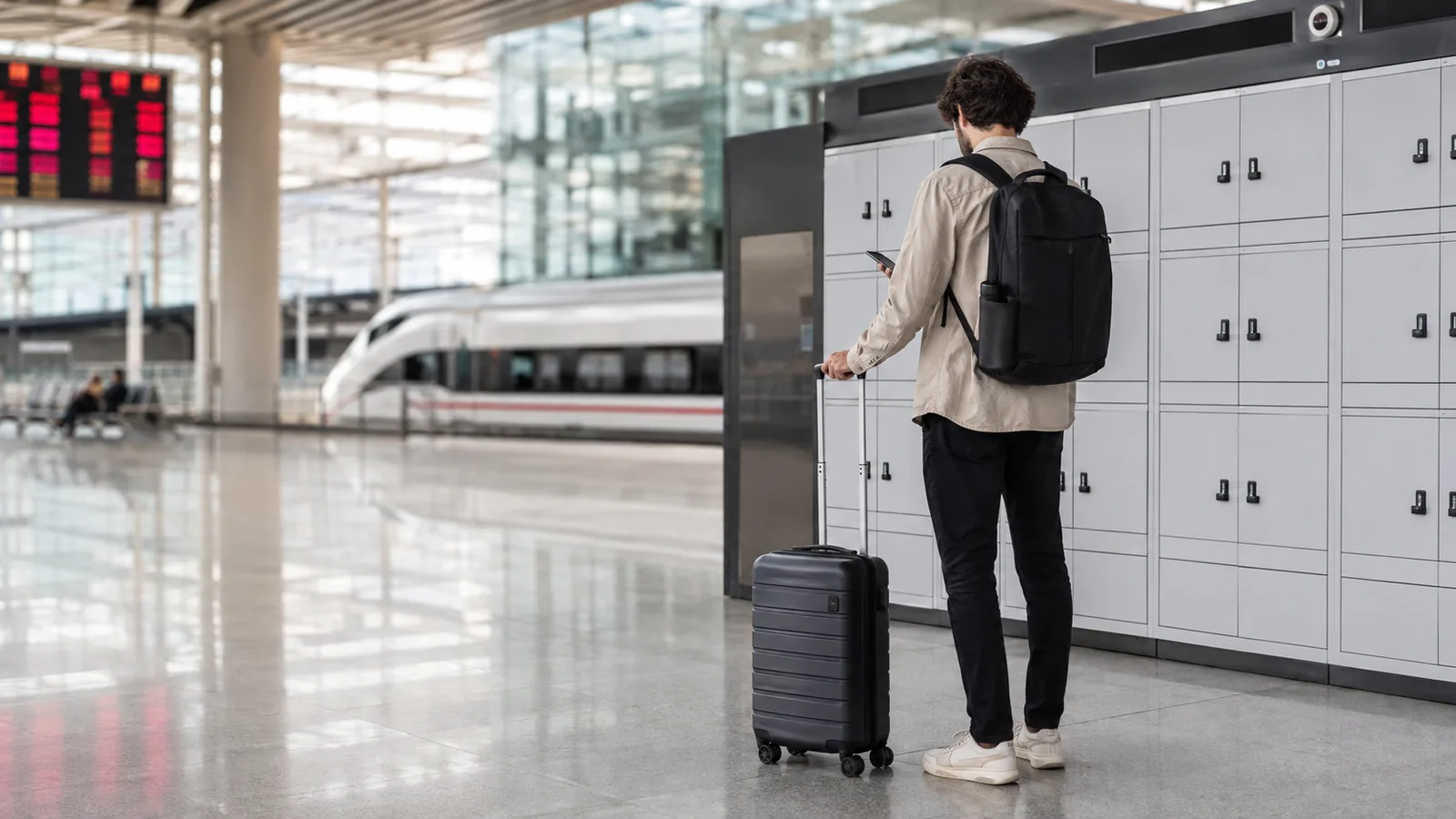
Some stations or nearby commercial areas have staffed storage or lockers, but availability, hours, size limits and payment methods differ. Look for an official desk or clear station signage. Before leaving a bag, confirm the closing and collection times, then save the receipt, locker number and location.
04
Keep valuables with you
Do not store your passport, cash, cards, medicine, camera, laptop or other valuables. Check the price and storage period before paying, and avoid unverified street offers or unexpected QR-payment links. A storage service is useful only if you can recover the bag with enough time to re-enter and board.
05
Follow the train number, not a translated place name
Waiting areas and platforms can change or appear close to departure. Use the station display as the final reference and match the train number and time on your ticket. If you need help, show the booking screen to staff. Leave early for the platform when carrying a large suitcase, and keep aisles clear once on board.
Before you leave: save the Chinese station name, check the train number and time, keep essential documents on you, and leave enough time for screening and the walk to the platform.