TRAVEL GUIDE · CHINA
Taking photos in China: a practical guide for visitors
Plan the image, respect the place and the people in it, and let the local rules decide what is appropriate to photograph.
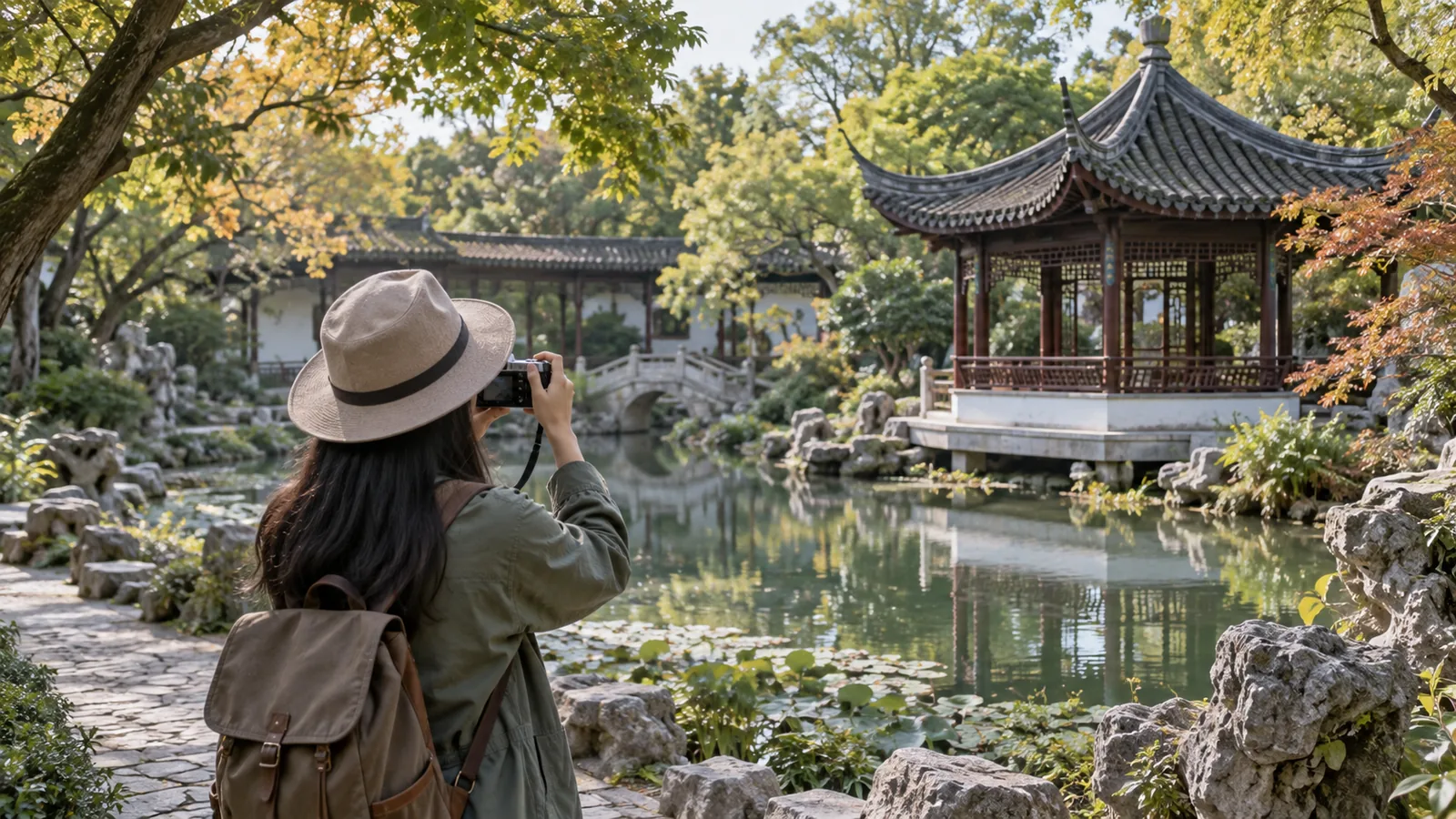
China offers streets, landscapes, food and architecture that many visitors want to remember in pictures. The most useful photography habit is not a technical setting; it is pausing to notice the environment. Site rules, staff instructions and other people’s comfort matter more than getting a particular shot. Requirements can vary by location, so use the posted rules and official guidance at the place you are visiting.
01
Read the place before raising the camera
At a museum, temple, attraction, station or shop, look for photo rules before you begin. Signs, tickets, staff directions and barriers may distinguish between general photography, flash, tripods or particular rooms. If there is any uncertainty, ask a staff member or choose not to photograph. A missed image is better than disrupting a site or a visit.
02
Keep people from becoming the subject by accident
Crowded streets are part of travel, but a close portrait of a stranger is different from a wider scene. Ask before making someone the clear subject of your image, especially children, workers, performers or people in a private moment. If conversation is difficult, use distance, frame the surroundings or move on rather than assuming consent.
03
Protect quiet and sacred spaces
Places of worship, memorial spaces and intimate cultural settings deserve a slower approach. Follow the local rules, avoid blocking paths or ceremonies, and do not use equipment or poses that draw attention. If other visitors are there for worship or reflection, their experience comes before a photograph.
04
Avoid sensitive or restricted areas
Do not photograph where signs, staff or security restrictions say not to. Airports, checkpoints, transport operations and other controlled areas may have rules that differ by location. Keep the camera away when asked, do not argue with on-site instructions and focus on a different subject. This guide is general travel etiquette, not a substitute for local rules.
05
Make the camera part of a simple day bag
Carry only equipment you can manage comfortably with your travel documents, payment method and water. Use a secure strap or bag, keep batteries charged and avoid setting gear down where it can be forgotten. Back up important images when you have a reliable connection, but do not depend on a public upload as the only copy.
06
Share with context and care
Before posting an image, reconsider whether it reveals another person, a private location or a sensitive moment more clearly than intended. Captions can name a broad neighborhood or city without exposing someone else’s details. The lasting travel photo is one you can share without making the place or people feel used.
The best travel photograph is one that remembers the place while respecting the people, rules and moment that made it possible.