TRAVEL GUIDE · CHINA

Boarding a train in China: a first-time visitor’s guide

Save the right station, allow for the station process and follow the next train—not the nearest exit.
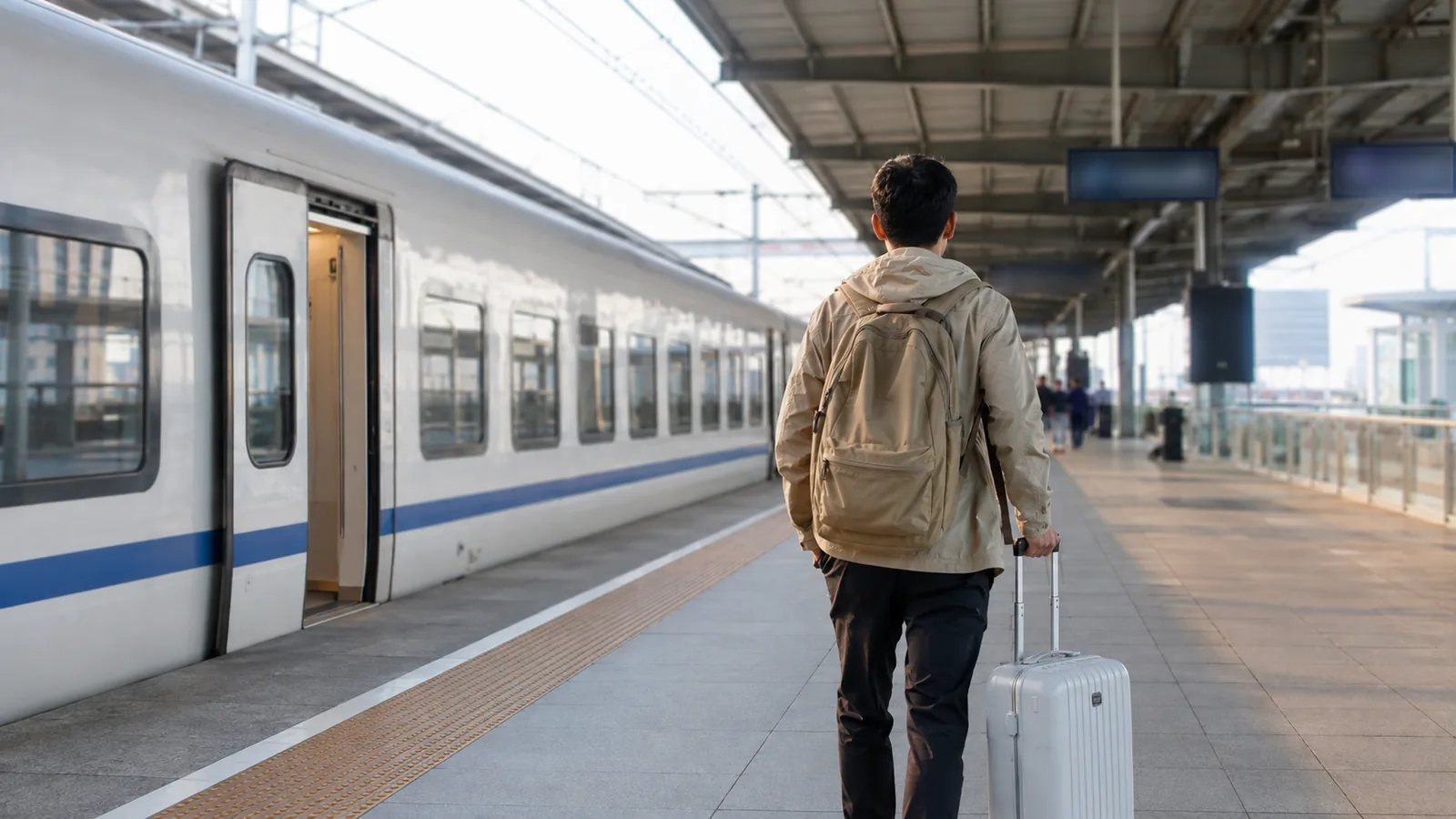
Traveler boarding a train
Image source: AI-generated image created for Seeing China. No real station, train, brand, logo or personal data are shown.

A ticket is only the beginning of a rail journey. At a large station, the calm approach is to move through the arrival, security, waiting and boarding steps in order.

01

Save the right station and train details

Keep the Chinese station name, train number and departure time as screenshots. A large city can have several stations. Near departure, use the ticket and station display together, and check again if an announcement or display changes.

02

Give the station process real time

The route from entrance to train includes security, ticket checks, waiting-area navigation and practical stops. Add margin for luggage, children or an unfamiliar station. It is easier to enter early and understand the flow than to search for a platform at the last minute.

03

Confirm the waiting area and gate

Follow the information for your next train rather than a convenient exit. Keep your ticket, passport and phone close, and show the train details to station staff if you need help. Avoid a situation where large luggage must be repacked while boarding begins.

04

Find the carriage first, then your seat

On the platform, locate the carriage number before following the crowd. Do not leave luggage in the aisle at the door; find the seat or berth, then settle bags. Keep valuables, charging access, water and your next address in a small bag.

05

Prepare for arrival before the train stops

Before arrival, open the next accommodation address, station exit and onward transport plan. Check the area around your seat for belongings. If you are connecting to another train, look for departure or transfer signs rather than automatically heading outside.

A smooth boarding process comes from preparation: save the station and train details, leave genuine time and move through each stage calmly.

IN-DEPTH PRACTICAL NOTES

Board by checking train, gate, platform and coach

Four identifiers prevent most boarding mistakes: train number, gate, platform and coach. Keep the passport ready and verify all four as the station moves passengers from the hall to the train.

Arrive with a time buffer

Use the exact departure station, not only the city name. Allow for entrance checks, security, the walk to the waiting area and a queue at manual identity inspection. Holiday crowds and very large stations require more time; the platform may close before the printed departure time.

Follow the gate release

Find the waiting area connected to the displayed gate and watch for status changes. Platforms are often announced only when boarding begins. Match the train number and departure time, because a destination can be served by several trains. Ask staff if the app and station display differ.

Find the coach and seat safely

Coach positions may be marked on the platform or screen. Stand behind safety lines and wait for passengers to leave. On board, compare coach and seat numbers before storing luggage; keep documents, medicine and valuables with you and avoid blocking aisles or doors.

Prepare for a short boarding window

Have the passport and booking screen ready before the queue starts moving. Keep children and bags together, but do not stop immediately beyond the gate or carriage door. If the escalator, lift or platform direction is unclear, ask before the final boarding call. After entering the train, place larger luggage only where it is stable and permitted, then photograph or remember its location. A calm, compact boarding routine is safer than trying to reorganize every bag on the platform.

Useful phrases

这趟车开始检票了吗?Has boarding started for this train?
我的车厢在哪里?Where is my coach?
这是我的座位吗?Is this my seat?

Before departure

Official references